Periodontal Disease and Heart Disease: How Gum Health May Affect Your Heart
Periodontal Disease and Heart Disease: How Gum Health May Affect Your Heart
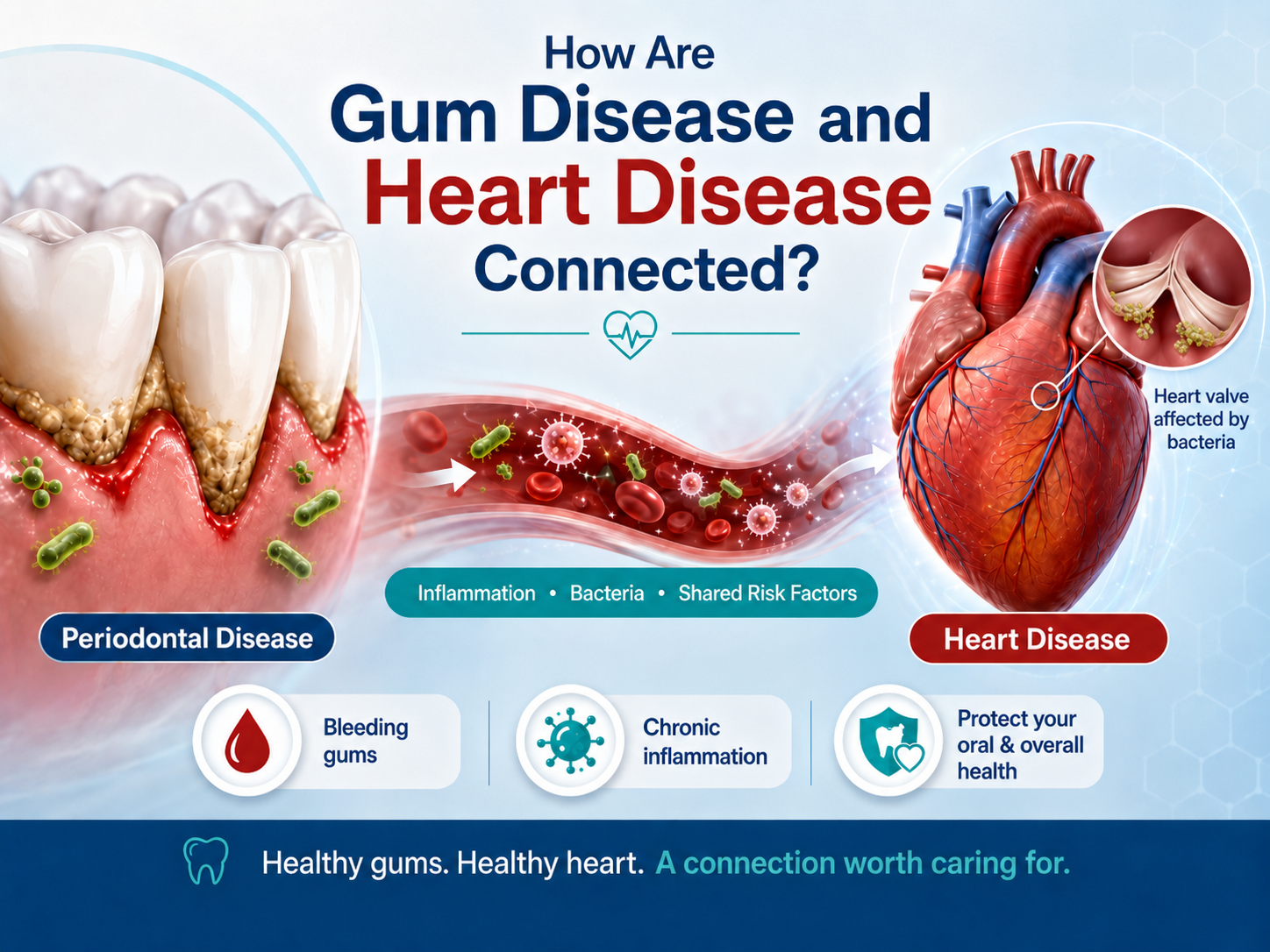
Most people think of gum disease as a problem that only affects the mouth. However, growing research suggests that periodontal disease and heart disease may be connected through inflammation, bacteria, and shared risk factors.
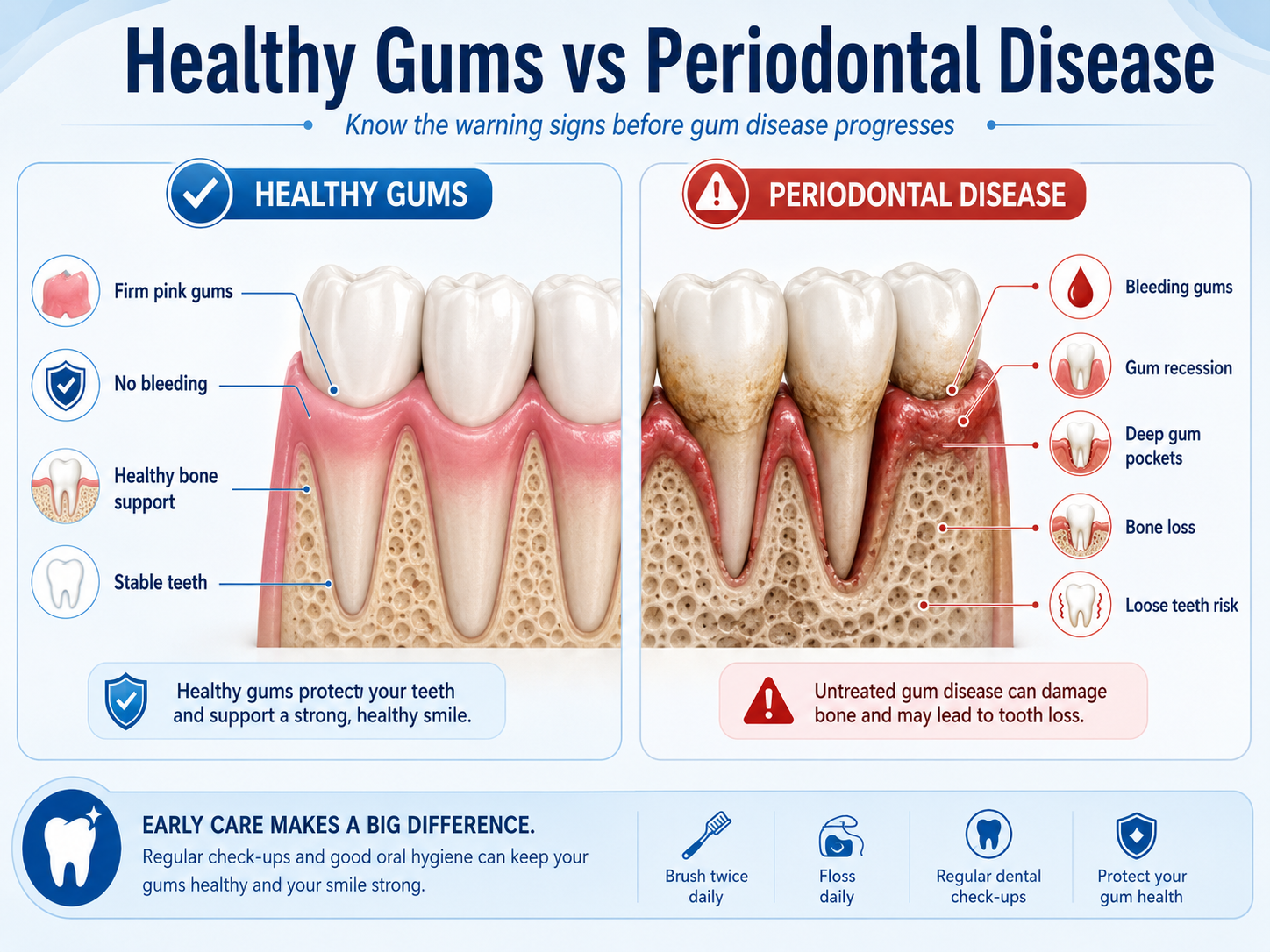
Periodontal disease is a chronic inflammatory condition that damages the gums and bone supporting the teeth. It can cause bleeding gums, persistent bad breath, gum recession, loose teeth, and eventually tooth loss.
According to the American Heart Association, periodontal disease affects more than 40% of U.S. adults over age 30.
As a dental provider, I frequently remind patients that the mouth is not separate from the rest of the body. Although periodontal disease has not been proven to directly cause heart disease, the association between these two conditions is substantial enough that patients should not ignore it.
What Is Periodontal Disease?
Periodontal disease, also called gum disease, is an infection and inflammatory condition that affects the tissues supporting the teeth. It often begins as gingivitis, which causes red, swollen, or bleeding gums.
If gum inflammation is not treated, it can progress into periodontitis. At that stage, the gums may pull away from the teeth and form deeper pockets where bacteria can collect. Over time, the disease can damage the bone and attachment around the teeth.
Common signs of periodontal disease include:
- – Bleeding gums
- – Red, swollen, or tender gums
- – Gum recession
- – Persistent bad breath
- – Pus around the gums
- – Loose or shifting teeth
- – Increasing spaces between teeth
- – Changes in the way the teeth fit together
Periodontal disease can progress with little or no pain, which is why regular dental exams and periodontal evaluations are important.
How Are Periodontal Disease and Heart Disease Connected?
Researchers believe inflammation may be one of the most important links between periodontal disease and heart disease.
Periodontal disease creates chronic inflammation around the teeth. As the disease progresses, deep pockets form between the teeth and gums. These pockets can contain harmful bacteria and inflamed tissue, which may allow bacteria or bacterial byproducts to enter the bloodstream.
Once these substances circulate through the body, they may contribute to systemic inflammation. The American Heart Association has reported that periodontal disease is associated with elevated inflammatory markers and vascular inflammation, both of which are involved in atherosclerosis, the buildup of plaque inside the arteries.
Inflammation does not affect every patient in the same way. Still, allowing periodontal infection to languish may place an unnecessary inflammatory burden on the body.
Does Gum Disease Cause Heart Attacks?
This is one of the most important questions patients ask. The answer is: research has not proven that gum disease directly causes heart attacks.
However, studies consistently show an association between periodontal disease and several cardiovascular conditions, including:
- – Stroke
- – Atrial fibrillation
- – Heart failure
- – Atherosclerotic cardiovascular disease
The American Heart Association’s updated scientific statement concluded that evidence continues to support an association between periodontal disease and cardiovascular disease. At the same time, the organization emphasized that more research is needed to establish a direct cause-and-effect relationship.
This distinction matters. Periodontal care should support—not replace—medical care, exercise, a heart-healthy diet, cholesterol management, blood-pressure control, and smoking cessation.
Periodontal Disease and Heart Disease Share Risk Factors
Part of the connection between periodontal disease and heart disease may also be explained by shared risk factors.
Both conditions are more common among people who:
- – Smoke or use tobacco
- – Have diabetes
- – Have obesity
- – Experience chronic inflammation
- – Have poor nutrition
- – Do not receive regular preventive healthcare
Regardless of the exact mechanism, controlling these risk factors can enhance both oral and cardiovascular health.
Can Periodontal Treatment Improve Heart Health?
Periodontal treatment is designed primarily to stop infection, reduce inflammation, preserve supporting bone, and help patients keep their natural teeth.
Emerging research suggests that successful periodontal treatment may also improve certain measurements related to vascular health. A 2025 randomized clinical trial followed 135 otherwise healthy patients with periodontitis for two years. Patients who received intensive periodontal treatment showed improvement in blood-vessel function and more favorable changes in carotid artery thickness compared with patients who received routine cleaning only.
The most responsible conclusion is that periodontal therapy supports oral health, reduces local infection, and may help decrease the body’s overall inflammatory burden. It should not be viewed as a replacement for medical heart care.
Warning Signs of Periodontal Disease
Periodontal disease can progress quietly, so patients should not wait for pain before seeking care. If you notice warning signs such as bleeding gums, gum recession, or loose teeth, it may be time to schedule a periodontal evaluation.
Schedule a periodontal evaluation if you notice:
- – Gums that bleed while brushing or flossing
- – Red, swollen, or tender gums
- – Gum recession or teeth that appear longer
- – Persistent bad breath
- – Pus around the gums
- – Loose or shifting teeth
- – Changes in the way your teeth fit together
- – Increasing spaces between teeth
Bleeding gums should not be dismissed as normal. They may be an early sign that inflammation is present and should be addressed before more bone and attachment are lost.
How to Protect Your Gums and Overall Health
Patients can help control periodontal inflammation by brushing thoroughly twice a day, cleaning between the teeth daily, avoiding tobacco, and maintaining regular dental visits.
Patients who have already been diagnosed with periodontitis may require periodontal maintenance more often than someone receiving standard preventive cleanings. A personalized maintenance schedule helps disrupt bacterial buildup before another active episode of disease can develop.
It is also important to tell your dentist or periodontist about:
- – Heart disease or a previous heart attack
- – High blood pressure
- – Stroke history
- – Diabetes
- – Blood-thinning medications
- – Heart-valve conditions
- – Any recent changes to your medical history
Communication between your dentist, periodontist, primary-care physician, and cardiologist can facilitate safer and more comprehensive care.
A Healthy Mouth Is Part of a Healthy Body
The connection between periodontal disease and heart disease continues to be studied. Researchers have not established that gum disease directly causes cardiovascular disease, but the relationship between chronic periodontal inflammation and cardiovascular risk should not be ignored.
Treating periodontal disease helps protect the gums, supporting bone, and teeth. It may also reduce a source of chronic inflammation that the body would otherwise have to endure.
Your gums may seem like a small part of your overall health, but their condition can echo far beyond your smile. If you have bleeding gums, gum recession, loose teeth, or a history of heart disease, a comprehensive periodontal examination is an important step toward protecting both your oral and general health.
At Ortega Dental Care, we evaluate gum health, discuss risk factors, and create personalized treatment plans to help patients maintain healthier smiles and overall wellness.